Why Keeping Money in Payment Apps May Not Be the Safest Choice
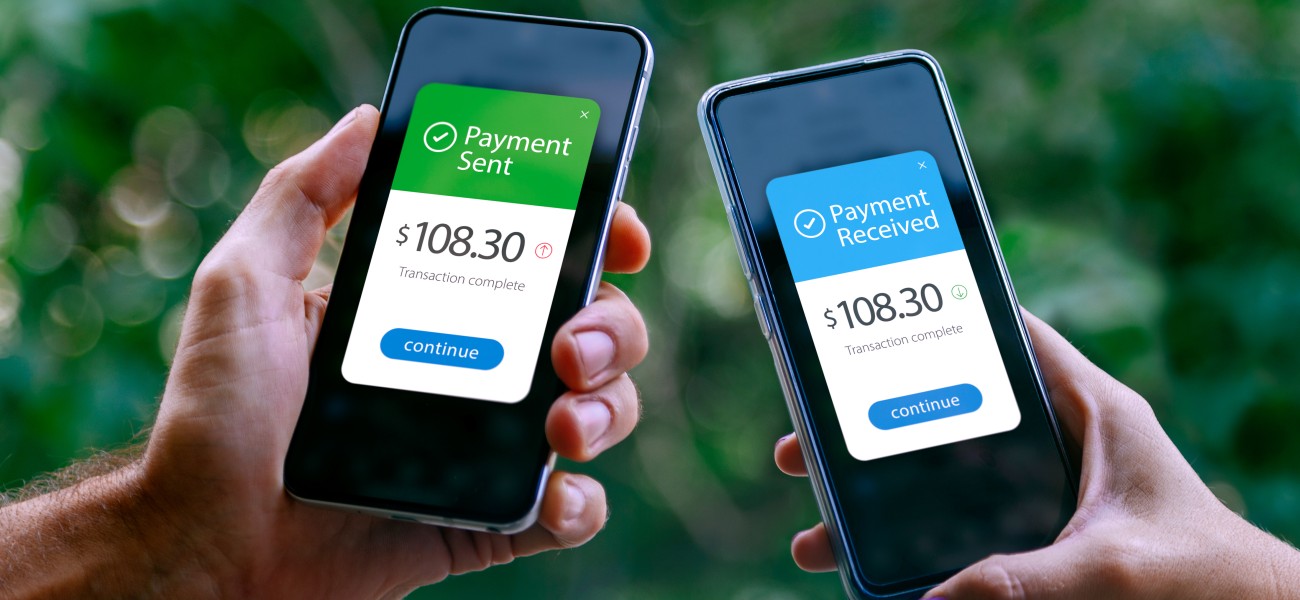
Apps like Venmo, Cash App, and PayPal have made sending money faster and easier than ever. Whether you’re splitting dinner with friends, paying someone back, or making quick online purchases, these apps are built for convenience. But while they work well for everyday transactions, they may not be the best place to store large amounts of money long-term.
Many people treat payment apps like a regular checking or savings account, leaving balances sitting there for weeks or even months. The problem is that these apps were primarily designed for transferring money, not for securely holding your savings.
One major concern is fraud and scams. Payment apps are popular targets for scammers because transactions often happen instantly and can be difficult to reverse. If you accidentally send money to the wrong person or fall for a fake payment request, recovering those funds can be challenging.
Another issue is account security. While payment apps offer security features, they can still be vulnerable if passwords are weak, devices are compromised, or users fall victim to phishing scams. Unlike a traditional financial institution, customer support and fraud recovery processes may be more limited or slower in certain situations.
It’s also important to understand that not all money stored in payment apps is protected the same way money in a credit union or bank account is. Many consumers assume their balances automatically have full insurance protection, but coverage can vary depending on how the app stores funds and whether the money has been transferred into a partner bank account.
That doesn’t mean payment apps are bad, they’re useful tools when used carefully. The safer approach is to use them for short-term transactions instead of long-term storage. After receiving money, transferring it to your credit union or bank account can help keep your funds more secure and easier to manage.
Digital payment apps offer convenience, but your primary financial relationship should still be with a trusted financial institution that provides insured accounts, fraud monitoring, and personalized support when issues arise.
*Information in our blog posts are made available to you as self-help tools for your independent use. We cannot and do not guarantee their accuracy, their applicability to your circumstances or guarantee of credit. We encourage you to seek personalized advice from qualified professionals regarding all personal finance issues.